
The Essential Guide to Getting Your Central FL Pool Guest-Ready
Last-minute pool inspections are the only way to guarantee a safe, crystal-clear swimming environment for May gatherings by identifying hidden pathogen loads and hydraulic failures that DIY kits miss. In Central Florida, May is a high-risk transition period where rising humidity and “lovebug” season peak, making professional diagnostics essential to prevent Memorial Day system collapses.
Key Takeaways
The May Risk: Bather load triples in May, often overwhelming filtration systems already taxed by spring pollen.
Beyond the Surface: Professional inspections detect “biofilm” and structural hairline cracks invisible to the naked eye.
Safety Law: Inspections ensure 2026 compliance with the Florida Residential Swimming Pool Safety Act.
The “May-Gray” Effect: High nitrates from Florida rainwater act as “super-food” for sudden algae blooms.
Table of Contents
The May Deadline: Central Florida’s Unique Risks
Why Last-Minute Inspections Are Non-Negotiable
The Chemical Gap: Professional vs. DIY
Hydraulic Health: The Heart of the Pool
Safety First: Florida Law & Liability
FAQ: Central Florida Pool Care
In May, Florida pools face a “triple threat”: 90°F+ temperatures, peak organic pollutants (lovebugs/pollen), and a 300% increase in bather load. A last-minute inspection ensures your pump can handle the Memorial Day surge.
In areas like Ocala or The Villages, preparing for guests requires more than a quick skim. As of 2026, Florida leads the nation with approximately 1.59 million residential pools. This high density means local environmental factors like agricultural runoff and high humidity can cause a pool to turn green in under 24 hours if not professionally balanced.
At Trident Pool Solutions, we’ve found that “clear” water is often a mask. A pool can look blue while harboring high levels of Cyanuric Acid, which “locks” your chlorine and prevents it from killing bacteria.
When you host a party, you assume legal liability for every guest. Last-minute pool inspections act as a critical safety and health audit.
The Aesthetic vs. The Microscopic
Professional technicians look for three “invisible” threats:
Pathogen Load: Traces of Cryptosporidium or E. coli that standard chlorine levels fail to neutralize.
Biofilm Accumulation: Algae hiding behind light fixtures or inside plumbing lines.
Structural Stress: With shifting water tables in Central Florida, we check for hairline cracks in the coping.
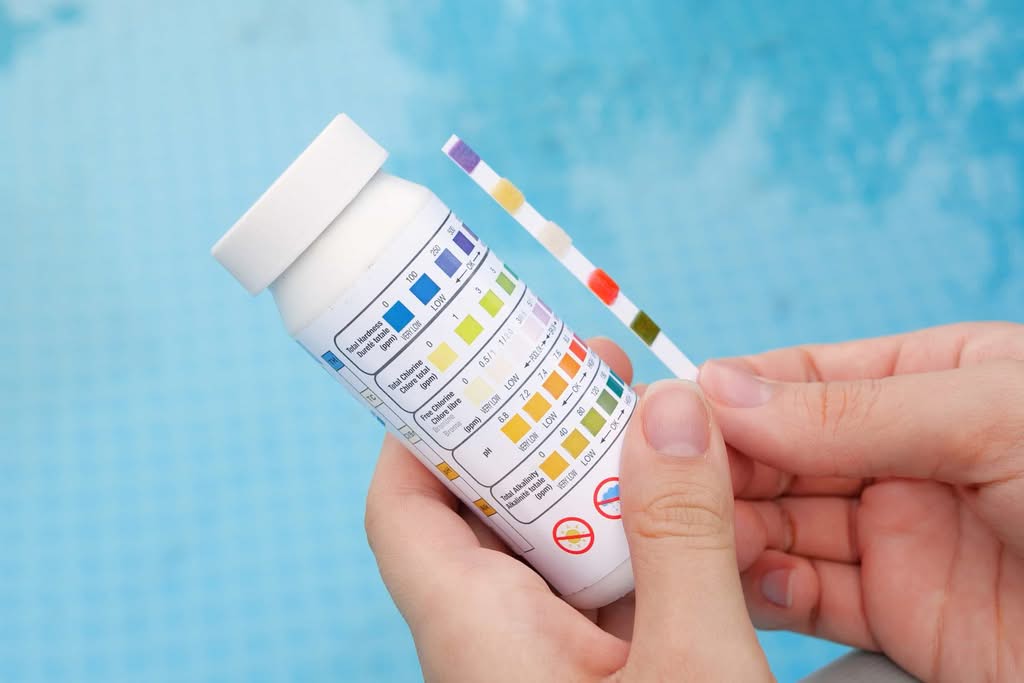
DIY test strips only measure basic levels. Professionals use the Langelier Saturation Index (LSI) to calculate the exact “aggressiveness” of your water, preventing $5,000+ in resurfacing costs.
The Problem with “The Pool Store” Mentality
Many homeowners rely on “quick-fix” copper-based algaecides. While these work temporarily, they often stain finishes and turn blonde hair green.
The Technical Standard: We analyze your pool using the formula:
LSI = pH + AF + CF + TF - 12.1
(Where AF=Alkalinity, CF=Calcium, TF=Temperature)
If this number is outside the -0.3 to +0.3 range, your water is either corrosive (destroying pipes) or scale-forming (clogging filters).
Over-stabilization. Adding too many “pucks” or “shocks” raises Cyanuric Acid (CYA). If CYA exceeds 100ppm, the only fix is a partial drain—a task best handled by a pro to avoid “pool popping” (where the shell lifts out of the ground due to high Florida groundwater).
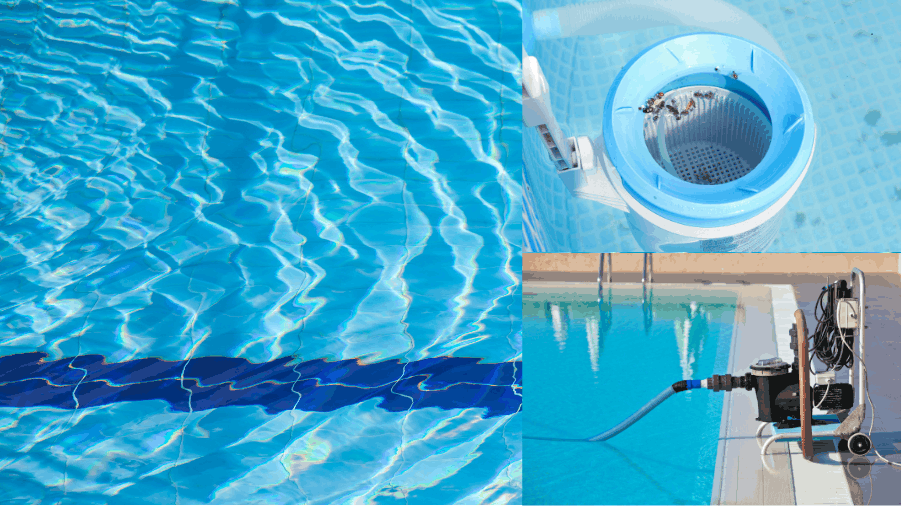
The pump is the heart of your pool’s ecosystem. During last-minute pool inspections, we perform a “Filtration Stress Test”.
Impeller Check: Ensuring no debris (like lovebug carcasses) is clogging internal components.
Seal Integrity: Looking for “salt creep” or water weeping at the pump shaft.
Variable Speed Optimization: Programming modern pumps for the 90°F high-demand season to ensure maximum turnover at minimum energy cost.
According to 2025 industry reports, pool pumps account for 65% of mechanical failures. A $200 seal fix caught during an inspection prevents a $1,200 motor replacement.
Florida law is strict regarding pool safety. During our inspections, we prioritize the Florida Residential Swimming Pool Safety Act (Chapter 515, F.S.).
The 2026 Multi-Point Safety Check
Self-Closing Mechanisms: Gates must swing shut and latch from any position. Humidity often causes metal hinges to fail.
VGB Act Compliance: We inspect main drain covers for cracks. Covers must be replaced every 5–7 years to prevent fatal suction hazards.
Door Alarms: For homes with direct pool access, we ensure alarms are functional and compliant with state standards.
Test your gate today. Open it two inches and let go. If it doesn’t latch on its own, it is a liability risk and an immediate inspection failure.
Frequently Asked Questions
How often do I need last-minute pool inspections?
You should schedule a professional audit at least 14 days before any major event. This provides a “buffer zone” to fix chemical imbalances or mechanical failures before guests arrive.
Why does my pool turn green after a Florida thunderstorm?
Rainwater often carries nitrates and phosphates from local fertilizers. These act as “algae fuel“. If your phosphate levels exceed 500 ppb, an algae bloom is inevitable without professional treatment.
Can I do a last-minute pool inspection myself?
While you can check for leaves, only a professional has the reagents to test for LSI balance and the mechanical tools to perform a pump pressure test.
What is the Florida law for pool fences?
Per the Florida Residential Swimming Pool Safety Act, pools must have a barrier at least 4 feet high with no gaps that allow a small child to crawl through.
Don’t let your Memorial Day barbecue be remembered for a green pool or an emergency trip to the repair shop. Last-minute pool inspections in May are the only way to guarantee your Central Florida home is truly guest-ready.
Next Steps to Secure Your Pool:
Check your gate: Ensure it latches automatically.
Clear the debris: Remove spring pollen and lovebugs from skimmer baskets.
Book a Pro: Schedule a comprehensive diagnostic to verify your LSI and pump health.
Ready to get your pool guest-ready? Contact Trident Pool Solutions today for a professional inspection.