
A lot of homeowners think pool equipment installation just means hauling off an old pump and bolting on a new one in the same spot. That’s not quite right, and it’s actually why so many "quick swaps" fail within a year. Real pool equipment installation means correctly sizing the pump, filter, heater, and automation to your pool’s actual volume and plumbing, then bonding and permitting the work so it’s safe and code-compliant.
Done right, a proper install can cut energy costs, quiet down your equipment pad, and add years to the life of every component on it. Done wrong — mismatched horsepower, undersized plumbing, skipped permits — you end up calling someone back out within months. This guide walks Ocala, The Villages, and surrounding Florida homeowners through what a professional installation actually involves, when repair makes more sense than replacement, and how to tell a solid upgrade from a sales pitch.
📌 Key Takeaways
- Proper pool equipment installation includes correct sizing, bonding, and permitting — not just a plug-and-play swap.
- Variable-speed pumps are the single biggest energy-saving upgrade available for Florida pools, per the U.S. Department of Energy.
- Pool equipment repair near me searches often end with a replacement recommendation once equipment passes 8-10 years old.
- Florida law requires a licensed contractor for pool equipment installation involving electrical or structural plumbing work.
- Ocala and The Villages homeowners typically see installation completed in 1-2 days for standard pump, filter, or heater swaps.
Jump to a section:
- What Does Pool Equipment Installation Actually Include?
- Signs You Need Repair vs. an Upgrade
- The Installation Process, Step by Step
- Energy-Efficient Pool Equipment Upgrades in Florida
- Choosing a Licensed Installer
- What Pool Equipment Installation Costs
- Frequently Asked Questions
What Does Pool Equipment Installation Actually Include?
Pool equipment installation covers everything from site prep on the equipment pad to final startup and testing. It’s not one task — it’s a sequence of electrical, plumbing, and safety steps that all have to line up. Skip one, and the whole system underperforms.
The Core Components
A typical install touches four systems: the pump, the filter, the heater (gas, heat pump, or solar), and the automation or salt chlorine generator — a device that converts dissolved salt into chlorine on-site rather than requiring stored chemicals. Each piece has to be matched to your pool’s gallons and turnover rate, which is the time it takes to circulate the entire volume of water once.
Permits and Bonding
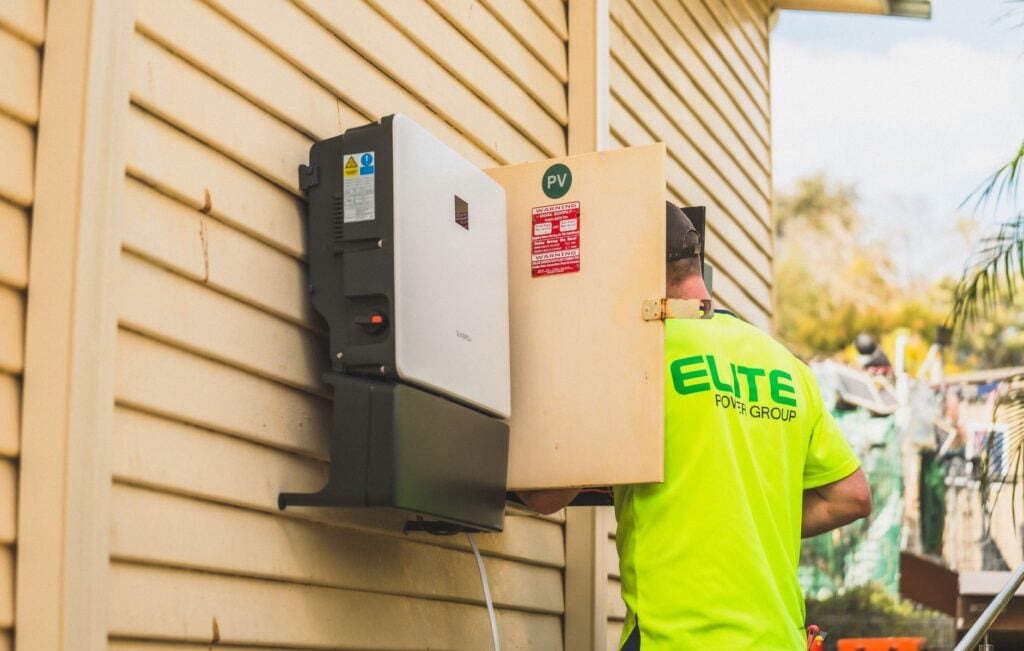
Florida requires electrical bonding on pool equipment to prevent stray voltage in and around the water, and most equipment swaps involving gas lines or 240-volt circuits require a permit. According to the Florida DBPR Construction Industry Licensing Board, only licensed contractors are authorized to pull these permits for pool and spa equipment work.
⚠️ Common Mistake: Hiring an unlicensed handyman to "just swap the pump" often skips bonding and permitting entirely — a problem that surfaces during a home sale inspection, not before.
Signs You Need Pool Equipment Repair or an Upgrade
If your pump is louder than usual, your pool takes longer to heat, or your filter pressure keeps climbing, something in your equipment set is struggling. The question is whether it needs a repair or a full replacement — and age is usually the deciding factor.
When Repair Makes Sense
A pump under five years old with a failed seal or capacitor is almost always worth repairing. Pool equipment diagnostics — checking amp draw, pressure readings, and flow rate — usually isolate the issue fast, and a repair can run a fraction of replacement cost.
When Replacement Wins
Once equipment passes the 8-10 year mark, parts become harder to source and efficiency drops noticeably. At that point, a pool equipment upgrade typically pays for itself faster than another round of repairs.
💡 Expert Insight: I tell customers in The Villages the same thing every time — if you’re calling about the same pump twice in one summer, it’s not a repair problem anymore. It’s a replacement conversation.
The Pool Equipment Installation Process, Step by Step
A professional pool equipment installation follows a predictable sequence, whether it’s a single pump swap or a full equipment pad overhaul. Here’s how it typically unfolds for our Ocala and Leesburg customers.
- Site assessment and sizing — technician measures pool volume, checks existing plumbing diameter, and reviews your current electrical panel capacity.
- Permit pull — required for most electrical, gas, or structural plumbing changes under Florida and local county code.
- Old equipment removal — pump, filter, or heater is disconnected and safely removed from the pad.
- New equipment set and plumbing — unions, unions, and check valves are reconnected; bonding wire is reattached per code.
- Startup and testing — technician runs the system, checks flow rate, pressure, and amp draw, then walks the homeowner through the new controls.
Timeline Expectations
Most standard installations — a single pump, filter, or heater — take one to two days including permit scheduling. A full equipment pad replacement with automation can take three to four days depending on county inspection scheduling.
✅ Quick Tip: Ask your installer for the permit number before work begins. If they can’t provide one for electrical or gas work, that’s a red flag, not a shortcut.
Energy-Efficient Pool Equipment Upgrades in Florida
The fastest payback upgrade for Florida pool owners is almost always a variable-speed pump, which can run at lower RPMs for routine filtration instead of full speed around the clock. The U.S. Department of Energy notes that variable-speed models can cut pump energy use significantly compared to older single-speed units, since they avoid running at full power when it isn’t needed.
What’s Worth Upgrading First
Pumps lead the list, followed by salt chlorine generators and automation systems that let you control equipment from a phone app. A variable-speed pump upgrade is usually the single highest-ROI change you can make to an aging pool.
Automation and Salt Systems
A pool automation system lets you schedule filtration, lighting, and heating around actual usage instead of guesswork, which compounds the energy savings from a variable-speed pump. Pairing that with a salt system reduces the chemical handling that’s a real concern under OSHA’s chemical hazard guidance for pool chemicals.
📊 Data Point: According to the U.S. Department of Energy, pool pumps are among the largest energy users in a typical home, which is exactly why upgrading one has an outsized effect on the power bill.
| Upgrade | Typical Lifespan | Primary Benefit |
|---|---|---|
| Variable-speed pump | 8-10 years | Lower energy cost, quieter operation |
| Salt chlorine generator | 5-7 years (cell) | Fewer stored chemicals to handle |
| Pool automation system | 7-10 years | Phone-based scheduling and control |
| Heat pump heater | 8-12 years | Efficient heating in Florida’s mild winters |
Choosing a Licensed Installer in Ocala & The Villages
The short answer: verify the license, ask about warranty terms in writing, and get a written scope before anything is unbolted. Florida takes pool contractor licensing seriously, and for good reason — equipment sits right next to electricity and standing water.
What to Verify
Check a contractor’s license status directly through the Florida DBPR Construction Industry Licensing Board before signing anything. Membership or training through the Pool & Hot Tub Alliance (PHTA) is another good signal that a technician stays current on equipment standards.
Why Local Experience Matters
Ocala and The Villages pools deal with heavy summer rain, hard water minerals, and long cooling seasons that wear differently than equipment up north. A contractor who installs in this specific climate daily will size and plumb differently than one working from a generic manual.
⚠️ Common Mistake: Choosing an installer purely on the lowest quote. A bargain install that skips permitting or proper bonding can cost far more to fix later, and it can complicate a home sale inspection.
As a veteran-owned company, we treat every pool equipment installation and pool equipment repair near me call the same way we’d want our own equipment handled — no upsells, just a straight answer on what actually needs attention. If diagnostics show the issue is minor, we’ll tell you that instead of pushing a full upgrade. If you’d rather start with a second opinion, our diagnostic and repair services are built exactly for that.
What Pool Equipment Installation Costs
Costs vary by equipment type, pool size, and how much plumbing or electrical work is involved. Below are general ranges we see across Marion, Lake, and Sumter county service calls — always get a written quote for your specific setup.
| Equipment | Typical Installed Cost Range |
|---|---|
| Single-speed to variable-speed pump | $$ – $$$ |
| Cartridge or sand filter replacement | $$ – $$$ |
| Heat pump heater | $$$ – $$$$ |
| Salt chlorine generator | $$ – $$$ |
| Full automation system | $$$ – $$$$ |
Exact figures depend on pool volume, pad access, and permit requirements in your county.
✅ Quick Tip: Ask about financing options if a full equipment pad upgrade is on the table — spreading out a bigger job is often more practical than patching old equipment repeatedly.
And if hurricane season is part of your planning, it’s worth reviewing equipment placement and tie-downs alongside our hurricane prep guide — equipment pads take a beating in a bad storm season.
Frequently Asked Questions
How much does pool equipment installation cost in Ocala, FL?
Most single-component installations, like a pump or filter, run in the low-to-mid hundreds for labor plus equipment cost, while full pad overhauls with automation cost considerably more. Your exact number depends on pool size, existing plumbing condition, and whether permitting is required.
Do I need a permit for pool equipment installation in Florida?
Yes, in most cases — especially for anything touching electrical circuits, gas lines, or structural plumbing. A licensed contractor pulls this permit for you as part of the job, per Florida DBPR requirements.
What’s the difference between pool equipment repair and full replacement?
Repair addresses a specific failed part, like a seal or capacitor, on equipment that’s otherwise in good shape. Replacement makes sense once a unit is aging out, inefficient, or costing more in repeated repairs than a new unit would.
How long does pool equipment installation take?
Standard pump, filter, or heater installations typically take one to two days including permit scheduling. Larger equipment pad projects with automation can take three to four days.
Can I upgrade pool equipment without replacing the whole pool?
Absolutely — equipment upgrades are independent of the pool shell itself. Most Ocala and The Villages homeowners upgrade equipment every 8-10 years while the pool structure lasts decades longer.
Is pool equipment repair near me faster than a full installation?
Usually, yes. A repair diagnostic visit can often happen within a day or two, while a full installation involves permitting and scheduling that adds time upfront.
What’s the real benefit of a pool equipment upgrade in Florida’s climate?
Florida’s long pool season means equipment runs more hours per year than in cooler states, so efficiency upgrades compound faster here. A variable-speed pump or heat pump upgrade typically shows a noticeable difference in the power bill within the first full season.
Getting pool equipment installation right the first time saves you from the repeat-repair cycle that frustrates so many Ocala and The Villages homeowners. Trident Pool Solutions handles licensed, permitted installations and honest diagnostics across Marion, Lake, and Sumter counties — book a free estimate and let’s figure out what your pool actually needs.