
A multi speed pool pump runs at several fixed speeds instead of just one, so you can match power to the job—high for vacuuming or backwashing, low for everyday filtration. Most homeowners who switch from an old single-speed pump notice a lighter power bill and a quieter pool pad within the first month. For most pools around Ocala and The Villages, it’s a smart mid-tier upgrade, though a variable-speed pump will save even more if your budget allows.
That’s the short version. Here’s what actually matters when you’re deciding whether this upgrade is worth it for your backyard.
What Makes a Multi-Speed Pool Pump Different?
A standard single-speed pump has one setting: full blast, all the time, whether your pool needs it or not. That’s like driving the highway in first gear. A multi-speed pump typically offers two to four preset speeds—often low, medium, and high—so the motor isn’t working harder than the job requires.
Lower speeds move water more slowly through your filter, which actually improves filtration in many cases because the water spends more time passing through the media. Higher speeds kick in for tasks that need real flow, like running a pool vacuum or a water feature. According to the U.S. Department of Energy’s ENERGY STAR program, pool pumps are among the biggest residential energy users on a property, which is exactly why speed control matters so much here.
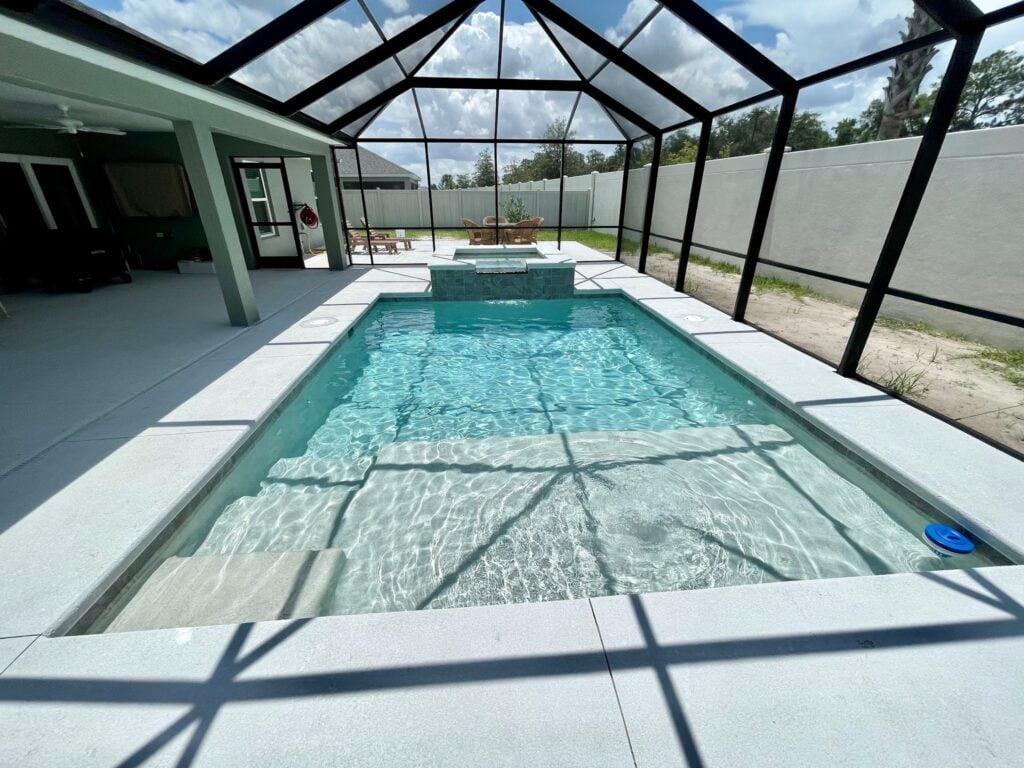
How Much Can a Multi-Speed Pump Save You?
Savings depend on your pool size, run time, and local electric rates, but the pattern is consistent: running a pump at a lower speed for daily filtration uses meaningfully less electricity than running a single-speed motor at full power around the clock. We’ve had Ocala clients tell us their pool pump was the single biggest line item on their summer power bill before the switch.
Here’s a rough way to think about it:
- Single-speed pumps run at one high RPM, all day, every day.
- Multi-speed pumps let you drop to a lower setting for routine filtration hours.
- Lower RPM means lower energy draw—pump energy use drops sharply as speed decreases, not in a straight line.
- You still have a high setting available when you actually need stronger flow.
The tradeoff is flexibility, not perfection. A multi-speed pump won’t fine-tune itself to the exact gallon-per-minute your pool needs the way a true variable-speed unit does, but it’s a solid step up from single-speed for homeowners who want savings without the full investment.
Multi-Speed vs. Variable-Speed: Which Fits Your Pool?
This is the question we get most often on service calls in Ocala and The Villages. A multi-speed pump gives you a handful of fixed speeds to choose from. A variable-speed pump uses a programmable motor that can run at almost any RPM, which usually means better efficiency and a quieter, more precise fit for your specific pool and plumbing.
For retirees and families watching a renovation budget, a multi-speed pump is often the practical middle ground—real savings over a single-speed unit, at a lower upfront cost than variable-speed. If you’re already planning a broader pool pump upgrade, we’ll walk you through both options honestly, including what each one actually costs to run over a season.
Finding Your Century Pool Pump Manual (or Any Manual)
Century motors show up on a lot of pumps we service across Marion, Lake, and Sumter counties, and we get regular calls asking where to find a Century pool pump manual after a storm or a move-in. Manuals matter because they list the correct wiring diagram, speed-tap settings, and capacitor specs—get those wrong and you risk burning out the motor.
If you can’t locate the paperwork that came with your pump, don’t guess. We keep a library of manufacturer documentation on our equipment manuals page, and if yours isn’t listed, we can usually track it down from the model plate on the motor housing.
Is It Time to Upgrade in Ocala or The Villages?
Florida pools run long seasons, which means pumps here work harder and longer than they would up north. If your current pump is louder than it used to be, cycling on and off oddly, or your power bill has crept up without explanation, that’s usually the motor telling you something.
We’ve replaced plenty of tired single-speed pumps for homeowners in The Villages who were surprised how much quieter their pool pad became after the swap. The same goes for long-time Ocala homes where the original pump has simply reached the end of its service life. As of 2026, most manufacturers are also phasing out single-speed models for residential use, so even a straightforward replacement is likely to land you on a multi-speed or variable-speed unit anyway.
One honest caveat: a new pump won’t fix plumbing restrictions, undersized pipes, or a failing filter. If your system has other issues, a diagnostic visit first will save you from pairing a good pump with a bad setup.
Before you decide, run through this quick checklist:
- Is your current pump a single-speed model older than 8–10 years?
- Has your electric bill climbed without a clear reason?
- Is the pump noticeably louder or rougher-sounding than it used to be?
- Do you want lower running costs without the full variable-speed price tag?
- Have you checked whether your manual or warranty paperwork is still on file?
If you answered yes to two or more of those, a multi speed pool pump upgrade is worth a real conversation. Trident Pool Solutions has been helping Ocala, The Villages, Belleview, and the surrounding communities pick the right equipment for their actual pool—not just whatever’s on the shelf. Call us for a straightforward look at your pump, your power bill, and what makes sense for your backyard.